Every country has some level of brand loyalty and domestic preference, but in Japan, both are especially strong.
Let’s start with brand loyalty. While fewer people today blindly worship top French or Italian luxury brands compared to the past, many still take pride in owning and showing off branded goods.
And it’s not just luxury items like bags or clothing. The same applies to electronics and home appliances. Many people believe that products made by Panasonic, Sony, or Hitachi are superior. In reality, lesser-known brands sometimes use the exact same components, yet consumers often assume that well-known brands are unquestionably better.
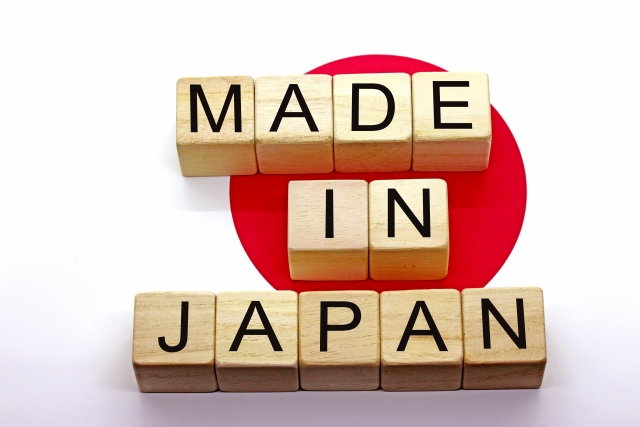
The same goes for domestic product preference. Especially when it comes to food and machinery, there’s a strong belief that Japanese-made products are the safest and most reliable. Of course, “Made in Japan” doesn’t automatically mean everything is perfect or risk-free.
This kind of mindset exists in many countries, but what’s important to remember is that not everyone around the world shares Japan’s way of thinking. While Japan is certainly known for high-quality manufacturing, other countries also produce goods of equally high quality. In fact, it’s fair to say that Japanese products are not always seen as superior as we imagine.
When selling products overseas, understanding this difference is crucial. What feels “obvious” in Japan may not hold the same value elsewhere—and recognizing that gap can make or break a company’s global success.